
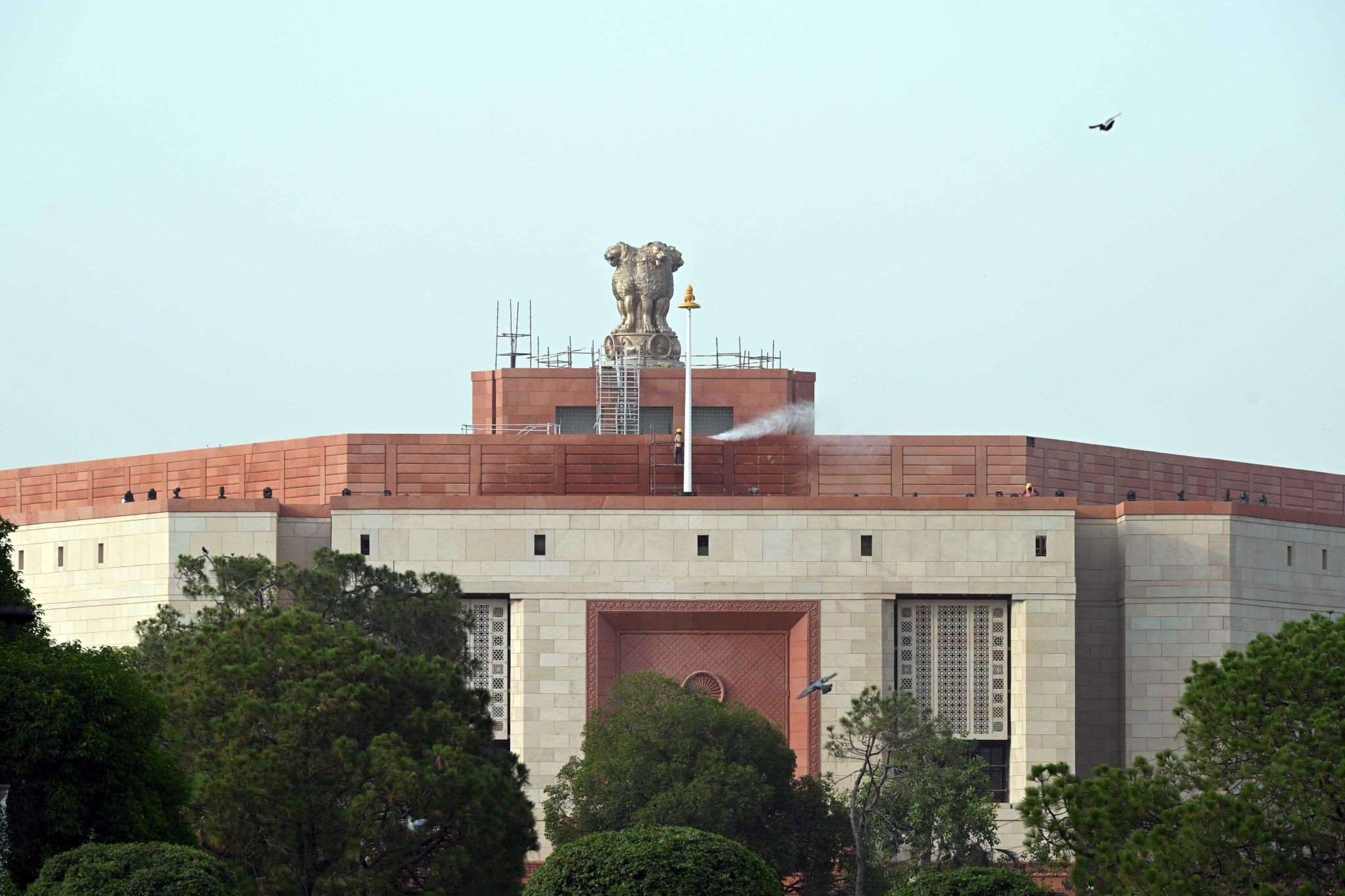
In the architecture of Indian parliamentary democracy, standard legislative calendars are meticulously mapped across three primary annual sittings: the Budget Monsoon, and Winter sessions. However, when complex administrative overhauls, structural constitutional amendments, or major electoral reforms demand urgent legislative processing outside these scheduled windows, the executive invokes a distinct constitutional instrument: the Special Session of Parliament.
While initial media reports often frame exploratory discussions around special parliamentary sittings as fleeting political speculation, examining these legislative maneuvers requires looking past daily headlines. Special sessions are rarely called for routine administrative governance; they are summoned to execute heavy-duty constitutional transformations—such as national delimitation exercises, major reservations implementation, or sweeping legislative overhauls.
Here is an exhaustive, analytical deconstruction of how special parliamentary sessions function under Indian constitutional law, the historical context of extraordinary sittings, and the profound federal implications of pending structural legislation.
1. Constitutional Mechanics: Summoning and Prorogation
Under Article 85(1) of the Constitution of India, the President is empowered to summon each House of Parliament to meet at such time and place as they think fit, provided that six months shall not intervene between its last sitting in one session and the appointment of its first sitting in the next.
Crucially, Indian constitutional law does not explicitly define a “special session” in statutory text. Instead, any sitting convened outside the traditional calendar framework is technically an extraordinary session or a special sitting operating under standard parliamentary rules of procedure.
PARLIAMENTARY SESSION STRUCTURE & CONSTITUTIONAL FRAMEWORK
| SESSION TYPE | TYPICAL TIMELINE | PRIMARY LEGISLATIVE FOCUS |
| Budget Session | February – May | Union Budget, financial bills, and policy debates. |
| Monsoon Session | July – August | General legislation, committee reports, and national affairs. |
| Winter Session | November – December | Pending bills, supplementary demands, and regional debates. |
| Special Session | As required (Extraordinary) | Major constitutional amendments, delimitation, or national crises. |
Furthermore, parliamentary continuity is governed by whether a preceding session has been formally prorogued (terminated by the President) or merely adjourned sine die (suspended without a fixed resumption date). If a house has been adjourned sine die rather than prorogued, reconvening requires specific procedural handling, allowing the executive considerable flexibility in structuring extraordinary sittings.
2. The Legislative Catalyst: Delimitation and Structural Expansion
The primary catalyst driving discussions around extraordinary parliamentary sittings involves monumental structural reforms, most notably the upcoming delimitation exercise and constitutional amendments concerning parliamentary seat redistribution.
As India’s demographic landscape has shifted dramatically over the decades, the existing Lok Sabha configuration—capped at 543 seats based largely on the 1971 census data—creates severe representational imbalances across states. To correct this discrepancy, legislative proposals target increasing the total strength of the Lok Sabha to accommodate up to 850 seats.
This expansion is inextricably linked to the operational framework required to implement long-stalled constitutional guarantees, such as the Women’s Reservation Act. However, executing such a massive redrawing of electoral boundaries requires a two-thirds majority constitutional amendment under Article 368, necessitating absolute legislative alignment and ironclad floor management.
3. Historical Precedents: When India Convenes Extraordinary Sittings
Special or extraordinary parliamentary sessions are rare, reserved for watershed national moments or legislative deadlocks that cannot wait for regular calendar windows.
Historically, special sittings have been convened for monumental commemorations, such as the golden jubilee of India’s independence, or to push through unified economic tax structures like the Goods and Services Tax (GST) rollout.
When the ruling executive signals the possibility of an extraordinary session, it typically reflects one of two strategic realities:
- Overcoming Legislative Gridlock: When critical bills face stiff resistance or tight calendar constraints during regular sessions, an exclusive sitting ensures uninterrupted debate.
- Signaling Federal Intent: Announcing structural reforms signals to domestic markets and international observers that the government is prepared to expend significant political capital to push complex legislative agendas across the finish line.
4. Federal Friction and the Numbers Game
Any major delimitation or constitutional restructuring bill naturally sparks intense federal friction. Regional parties, particularly in southern states that successfully managed population growth, have expressed deep apprehension that increasing Lok Sabha seat allocations based on raw population metrics could inadvertently penalize states with effective demographic control.
Consequently, passing such legislation requires delicate coalition building and meticulous floor calculations. Government managers must secure comfortable safety margins—often targeting a cushion of 15 to 18 votes above the absolute two-thirds threshold required for constitutional amendments. The intense negotiation required to build this consensus is precisely why exploratory talks surrounding extraordinary parliamentary sittings involve complex backroom diplomacy long before any formal dates are published in the official gazette.
Conclusion: Beyond the Speculative Cycle
While speculative news items regarding parliamentary schedules often age quickly as dates shift or procedural strategies evolve, the underlying structural issues remain permanent fixtures of Indian democracy.
Whether convened next month or integrated into upcoming parliamentary calendars, extraordinary legislative sittings represent the crucible where constitutional modernization takes place. As India prepares for the monumental task of parliamentary expansion and electoral delimitation, understanding the mechanics, history, and federal stakes of special parliamentary sessions provides essential clarity on the trajectory of the nation’s governance.
References & Citations
- LawStreet Journal (November 2026): Centre Plans Special Parliament Session to Pass Delimitation Bill — Detailed analytical report covering government strategies, the 131st Constitutional Amendment Bill, proposed Lok Sabha seat expansion to 850 seats, and required majority thresholds.
- NewsOnAir / PIB (September 2023 / Updated 2026): Special Session of Parliament convened framework — Archival documentation of constitutional provisions under Article 85 governing parliamentary summons and prorogation.
- PRS Legislative Research (2026): Understanding Parliamentary Procedures and Constitutional Amendment Rules in India — Reference manual detailing Article 368 requirements, ordinary versus constitutional bills, and session scheduling protocols.
Sources: Hindustan Times, India Today