
As we navigate the final quarter of 2026, the job search landscape has undergone a tectonic shift. The days of submitting a generic, one-size-fits-all PDF to a hundred different company portals are definitively over. Today, job hunting is an intricate, high-stakes dance between artificial intelligence and human authenticity. Your first interview is no longer with a tired HR representative; your first interview is with a machine.
Employers, overwhelmed by the sheer volume of AI-generated applications, have deployed sophisticated Applicant Tracking Systems (ATS) and predictive analytics to filter candidates. Conversely, successful job seekers are utilizing personal AI co-pilots to optimize their resumes, practice for interviews, and track their outreach.
To win in this heavily automated era, you must learn to outsmart the bots while doubling down on the one thing AI cannot replicate: genuine human connection. Here is the ultimate, comprehensive guide on how to apply for jobs in the AI era of 2026.
Understanding the AI Gatekeeper and Skills-First Hiring
Before you send out a single application, you must understand how the recipient is processing it. In 2026, roughly 65% of companies have pivoted to “skills-first” hiring, prioritizing specific, demonstrable competencies over traditional job titles or university degrees.
When you submit an application, an AI-powered ATS scans your document for exact skill matches and keyword density. If a job posting explicitly asks for “revenue forecasting,” but your resume proudly lists “financial planning,” the semantic gap might cause the software to discard your application before a human ever sees it.
Furthermore, AI-powered job-matching sites now use predictive analytics to analyze your entire digital profile, offering actionable insights rather than simple keyword matches. They assess your soft skills—such as problem-solving and adaptability—through platforms like Pymetrics, matching you with employers who value your unique psychological profile.
In this environment, clarity is king. You must mirror the exact language of the job description. Avoid complex graphics, tables, or multi-column formats that can break the parser and scramble your experience; a clean, text-based Word or PDF file remains the safest bet.
Visualizing the Shift: The Trajectory of Job Applications
To understand how drastically the landscape has changed, consider these two conceptual charts representing the modern job hunt.
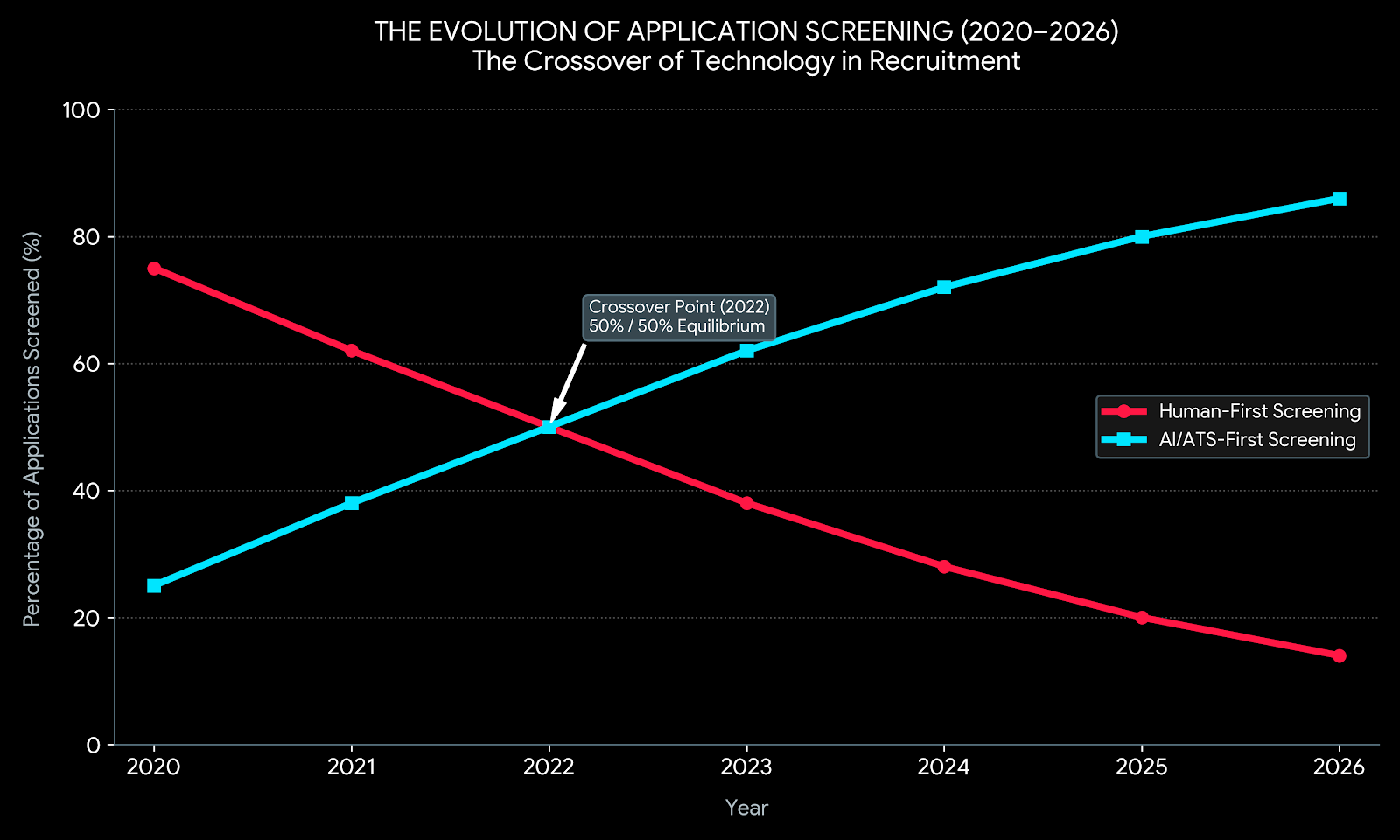
Chart 1:Application Screening Evolution Chart 2020 to 2026
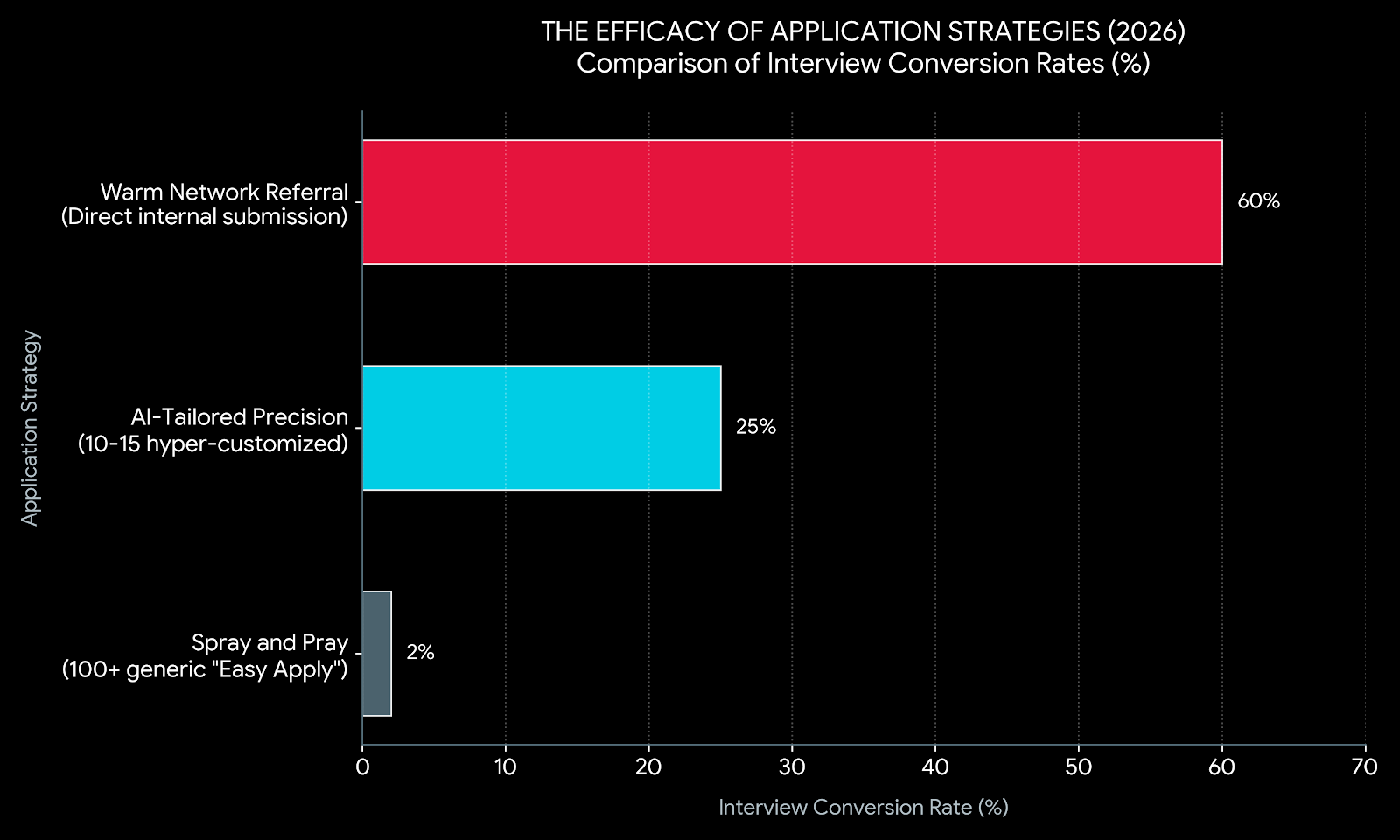
Chart 2: Application Strategies Efficacy Chart – 2026
The 2026 AI Job Application Stack: Tools and Tactics
No single AI tool covers the entire job application process. To build a highly effective system, you need a “stack” of specialized AI applications. Here is the exact four-step process dominating the 2026 job market:
1. Build Your Master Base Resume
Do not start from a blank page. Tools like Kickresume use large language models (like GPT-4) to generate a full master resume from just your job title in minutes. This master document contains every project, metric, and responsibility you have ever held. You will never submit this master resume directly; it serves as the foundational database you will pull from for specific applications.
2. ATS Optimization and Keyword Matching
Once you find a job you want, you must tailor your master resume to that specific posting. This is where tools like Teal and Jobscan become indispensable. Teal offers a “Matching Mode” that provides a side-by-side analysis of the keywords the job posting prioritizes versus what your resume currently says. You can update your bullet points in the editor and watch your match score improve in real-time. Jobscan similarly scans your resume against the job description, providing a match rate percentage that lets you know instantly if your application will survive the initial AI filter.
3. Refine for Impact and Readability
Platforms like Rezi act as a digital career coach, scoring your resume in real-time across multiple quality metrics as you type. It helps ensure your bullet points lead with measurable results. In 2026, writing “Managed a team” is considered a weak statement. AI optimization tools will push you to write: “Managed a team of 9 and cut reporting time from 4 hours to 15 minutes”—a specific, keyword-rich accomplishment that ATS software loves. For spelling, grammar, and tone, run everything through Grammarly.
4. Prepare for the Interview with Generative AI
Once your optimized resume lands you an interview, AI becomes your practice partner. Google Gemini and ChatGPT can be prompted with the job description and your resume to generate highly specific, role-relevant interview questions. Dedicated platforms like Huru, Tryexponent, and Google Interview Warmup allow you to practice answering these questions aloud, providing instant feedback on your pacing, tone, and the substance of your answers.
The Human Element: Why Referrals Beat Bots
There is a massive paradox in the 2026 job market: as the application process becomes increasingly automated, the value of genuine human connection has skyrocketed. Recruiters are exhausted by the flood of generic, AI-generated applications, and nearly half of them now dismiss applications they suspect were written entirely by a bot.
The fastest way around a pile of 300 AI-optimized resumes is to skip it entirely. At many top employers today, referred candidates account for 40% to 50% of all hires. Furthermore, candidates sourced through a warm connection are approximately five times more likely to be hired than those who apply cold.
To leverage this, you must treat LinkedIn as your digital front door. Hiring managers will look you up immediately. An inactive profile suggests you are disconnected, while an engaged profile signals professionalism. You do not need to go viral; simply commenting on industry news or sharing project wins keeps you visible.
More importantly, reconnect with former colleagues, managers, and alumni before you need a favor. Ask for industry advice or a brief perspective, not explicitly for a job. A single well-placed introduction to a hiring manager will instantly outperform a hundred cold, online applications. Strikingly, in response to AI fatigue, employer attendance at physical career fairs rose by 15% last year as companies actively went looking to meet real, verifiable humans.
Strategy: Aim, Don’t Spray
The “Easy Apply” button is a trap. It is incredibly tempting to fire off a hundred applications in a single afternoon, but this volume-based strategy is dead. A sharp, highly tailored application sent to ten right-fit roles will consistently beat a vague, generic application sent to a hundred.
Treat the job hunt as a structured, project-managed operation. Use the job tracking features in Teal or Notion AI to log every role you apply for, the date of submission, and the date you need to follow up. Active, successful job seekers in 2026 aim to apply to 10–15 tailored roles per week, send 5 networking messages daily, and consistently follow up on applications after one week.
Finally, protect your mental health. Set strict boundaries—do not job hunt after 6 PM or on weekends. Track your daily “wins” (like sending 5 networking messages), even if they don’t immediately lead to an interview. Rejections in this highly automated era are rarely personal; they are often the result of shifting budgets, internal candidates, or rigid algorithms.
Conclusion
Applying for a job in the AI era is an exercise in duality. You must be deeply analytical, using tools like Teal, Jobscan, and ChatGPT to engineer a resume that perfectly aligns with an algorithm’s expectations. Yet, simultaneously, you must be intensely human, relying on warm networking, coffee chats, and referrals to bypass the very algorithms you are trying to impress. By mastering this modern job application stack and prioritizing precision over volume, you can successfully navigate the complexities of the 2026 job market and secure the career you deserve.
* Conceptual illustration generated using AI