The Escalating FDA Intervention
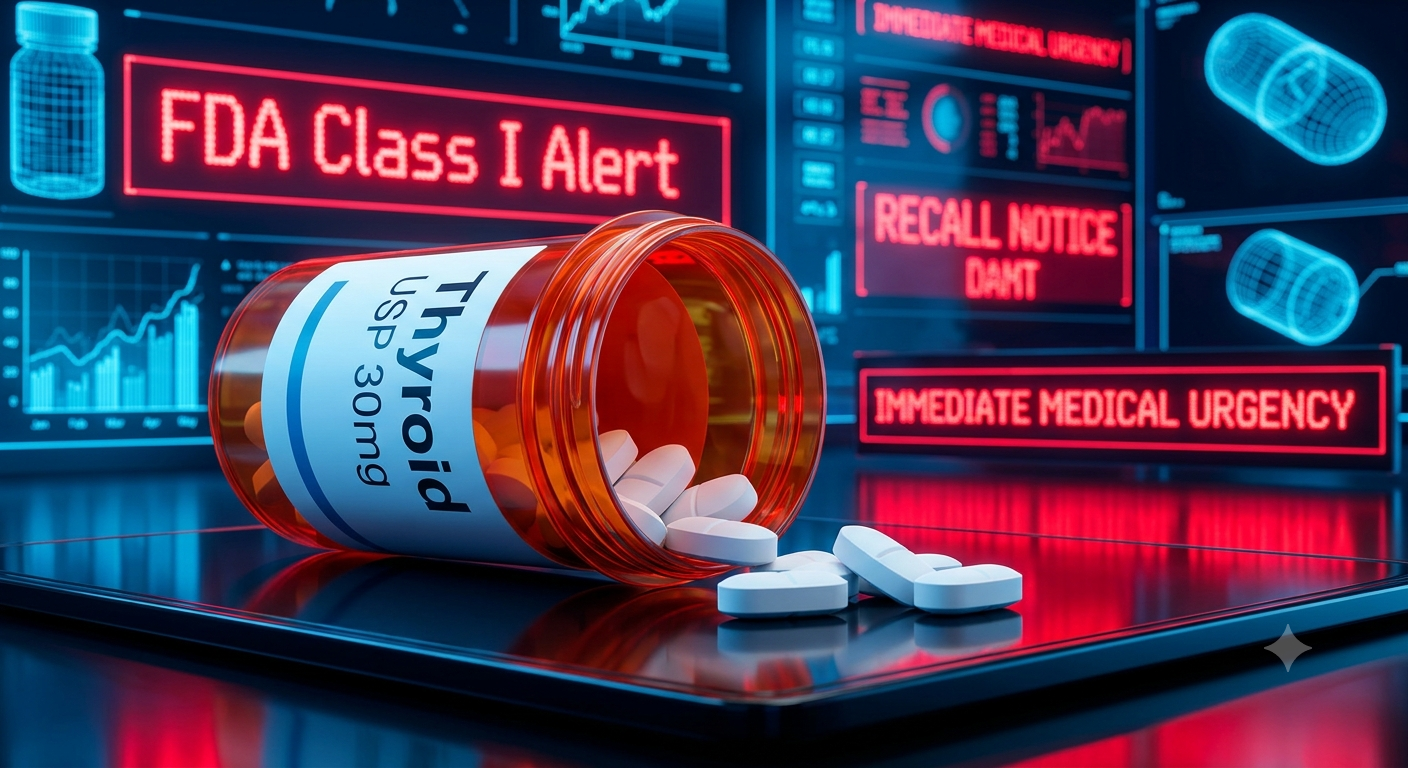
In a significant regulatory escalation, the U.S. Food and Drug Administration (FDA) has officially upgraded a national recall of a specific batch of thyroid medication manufactured by Vitruvias Therapeutics Inc. to a Class I hazard. A Class I designation is the FDA’s most severe and urgent safety alert, indicating a reasonable probability that the use of, or exposure to, the recalled pharmaceutical product will cause serious adverse health consequences or death. This major regulatory development follows an initial voluntary recall that the Auburn, Alabama-based pharmaceutical manufacturer launched in late August 2026. Patients who rely on natural thyroid preparations for the management of hypothyroidism are being urged to immediately check their current prescription bottles to ensure their medication is not compromised.
The Danger of “Superpotent” Dosing
The core issue behind this urgent recall is a manufacturing defect resulting in potential “superpotency”. In pharmaceutical terms, a superpotent drug contains significantly more of the active medical ingredient than is indicated on the product’s official labeling. Vitruvias Therapeutics initiated the original recall after internal testing confirmed that specific tablets could be delivering an excessive, unsafe dose of thyroid hormones.
The recalled product is a natural thyroid preparation derived from porcine (pig) thyroid glands, containing a mixture of levothyroxine (T4) and liothyronine (T3). These hormones are crucial for patients whose thyroids are severely underactive. However, because hormone replacement therapy requires incredibly precise and consistent dosing, ingesting superpotent tablets can rapidly elevate thyroid hormone levels in the bloodstream, triggering a dangerous physiological condition known as hyperthyroidism (an overactive thyroid).
How to Identify the Recalled Product
It is vital to note that this recall does not apply to all thyroid medications across the market, nor does it affect every product previously manufactured by Vitruvias. The FDA has strictly isolated a single lot of the medication that is subject to this Class I alert. Patients and caregivers must immediately cross-reference their prescription packaging against the following specific identifying details:
- Product Name: Thyroid Tablets, USP 30 mg (1/2 Grain)
- Manufacturer: Vitruvias Therapeutics, Inc.
- National Drug Code (NDC): 69680-166-00
- Lot Number: 504950
- Expiration Date: September 30, 2026
According to company data shared by the FDA, a total of 1,955 bottles of this specific 100-count lot were sold and distributed nationwide across the United States through direct accounts between January 31, 2025, and September 30, 2025.
Severe Health Risks and Vulnerable Populations
The FDA’s decision to elevate this to a Class I recall stems from the profound health complications associated with sudden, excessive thyroid hormone exposure. Patients consuming the superpotent tablets may experience a cascade of severe symptoms, including rapid or irregular heartbeat (arrhythmia), extreme nervousness, unexpected weight loss, severe heat intolerance, chest pain, high blood pressure, crippling fatigue, and muscle weakness.
While these symptoms are dangerous for the general population, the FDA has highlighted that the risk is exponentially higher for specific vulnerable groups, particularly if the excessive hormone exposure occurs over an extended duration:
- Older Adults: Seniors with excess levels of thyroid hormones face a critical risk of adverse cardiac events, as the cardiovascular system becomes rapidly strained by the artificial hyperthyroid state.
- Pregnant Women: Careful and precise thyroid management is vital during pregnancy. Overtreatment of hypothyroidism in expectant mothers has been directly linked to higher rates of maternal and fetal complications, specifically increasing the risk of premature delivery and low birth weight.
- Infants: For infants requiring thyroid treatment, even minor deviations in dosing can have catastrophic negative effects on neurological and physical growth and overall development.
Corporate Fallout and Next Steps for Patients
Adding a complex layer to this severe medical recall is the revelation that Vitruvias Therapeutics has reportedly ceased its business operations amidst the fallout. The company, founded in 2013 with a focus on technically difficult generic products, announced on its website that it was shutting down and transferring all its existing products to a different entity, H2-Pharma.
Despite the urgency of the FDA’s Class I warning, medical professionals and the FDA strongly advise patients not to abruptly discontinue taking their thyroid medication entirely on their own. Suddenly stopping thyroid hormone replacement can trigger a severe crash in hormone levels, leading to equally dangerous hypothyroid complications.
If you discover that your medication matches Lot Number 504950, you must contact your prescribing healthcare provider or primary care physician immediately. They will guide you on how to safely transition to a replacement prescription from a different, unaffected lot or alternative manufacturer. If you are experiencing any of the adverse cardiovascular or nervous system symptoms listed above, seek emergency medical attention without delay.