
At a Glance
- Economic Impact: Estimated €50+ million injected into the local Parisian economy over the residency’s run.
- Ticket Pricing Strategy: Tiered dynamic pricing designed to maximize revenue while curbing secondary market scalping.
- Logistical Footprint: Hundreds of local jobs created in production, hospitality, and security.
When an artist of Celine Dion’s caliber returns to the stage, the performance is only half the story. The other half is the massive economic engine that roars to life. The 26-show Paris residency at the Plenitude Arena is more than a cultural milestone; it is a localized economic boom, a masterclass in modern ticketing strategy, and a logistical triumph.
The staggering demand—1.17 million tickets evaporating in mere hours with 9 million attempting purchase—highlights the scarcity economics at play. After a six-year hiatus and a highly publicized health battle, a Celine Dion ticket transitioned from a standard entertainment purchase to a highly coveted cultural artifact. To manage this unprecedented demand, organizers implemented aggressive, multi-tiered dynamic pricing. This model, while often controversial among consumers, is designed to capture the true market value of the ticket at the primary point of sale, effectively cutting the profit margins of secondary market scalpers. This ensures that the massive financial influx remains within the official touring ecosystem rather than bleeding out to third-party resellers.
Beyond the immediate box office revenue, the residency functions as an economic anchor for the Nanterre district and the broader Parisian hospitality sector. Unlike a traditional global tour where an artist moves from city to city, a residency model centralizes the economic impact. For 26 nights spanning several months, thousands of fans—many of whom are international tourists—are flocking to a single location. This localized influx creates a sustained surge in hotel bookings, restaurant reservations, and local transportation usage. Initial projections suggest the residency will inject upwards of €50 million into the local economy, proving that live entertainment remains one of the most potent drivers of urban tourism.
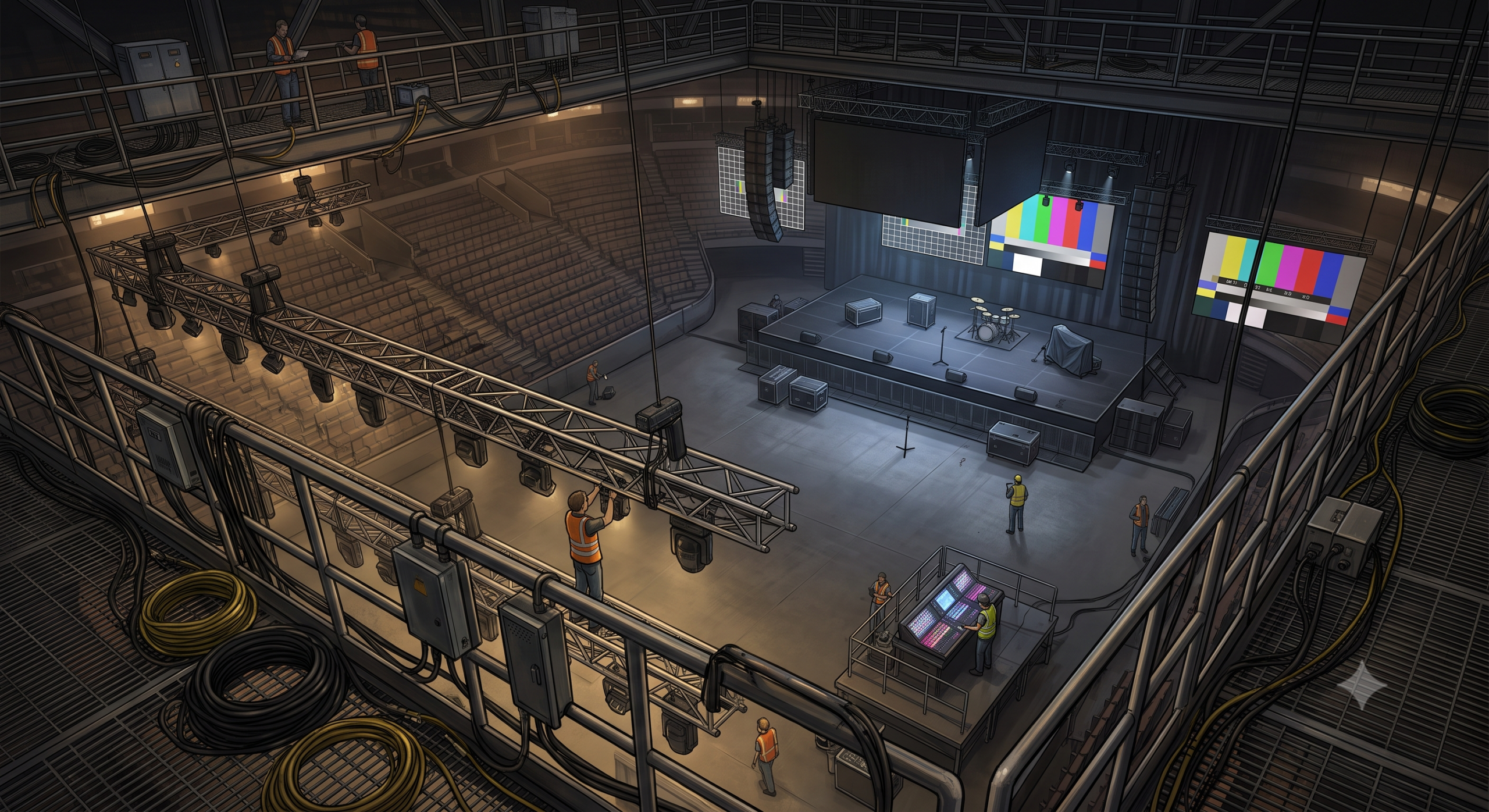
The logistics of staging a multi-month residency also require an enormous workforce. From the specialized stage crew required to manage the residency’s custom, large-scale transforming structures and immersive video systems, to the hundreds of local security personnel, ushers, and hospitality workers, the residency is effectively a mid-sized corporation operating within the Plenitude Arena.
The success of Dion’s Paris residency model offers a blueprint for legacy artists facing touring constraints. By bringing the audience to the artist rather than the artist to the audience, the industry can create highly profitable, logistically stable environments that prioritize the performer’s well-being while still generating massive economic waves.