
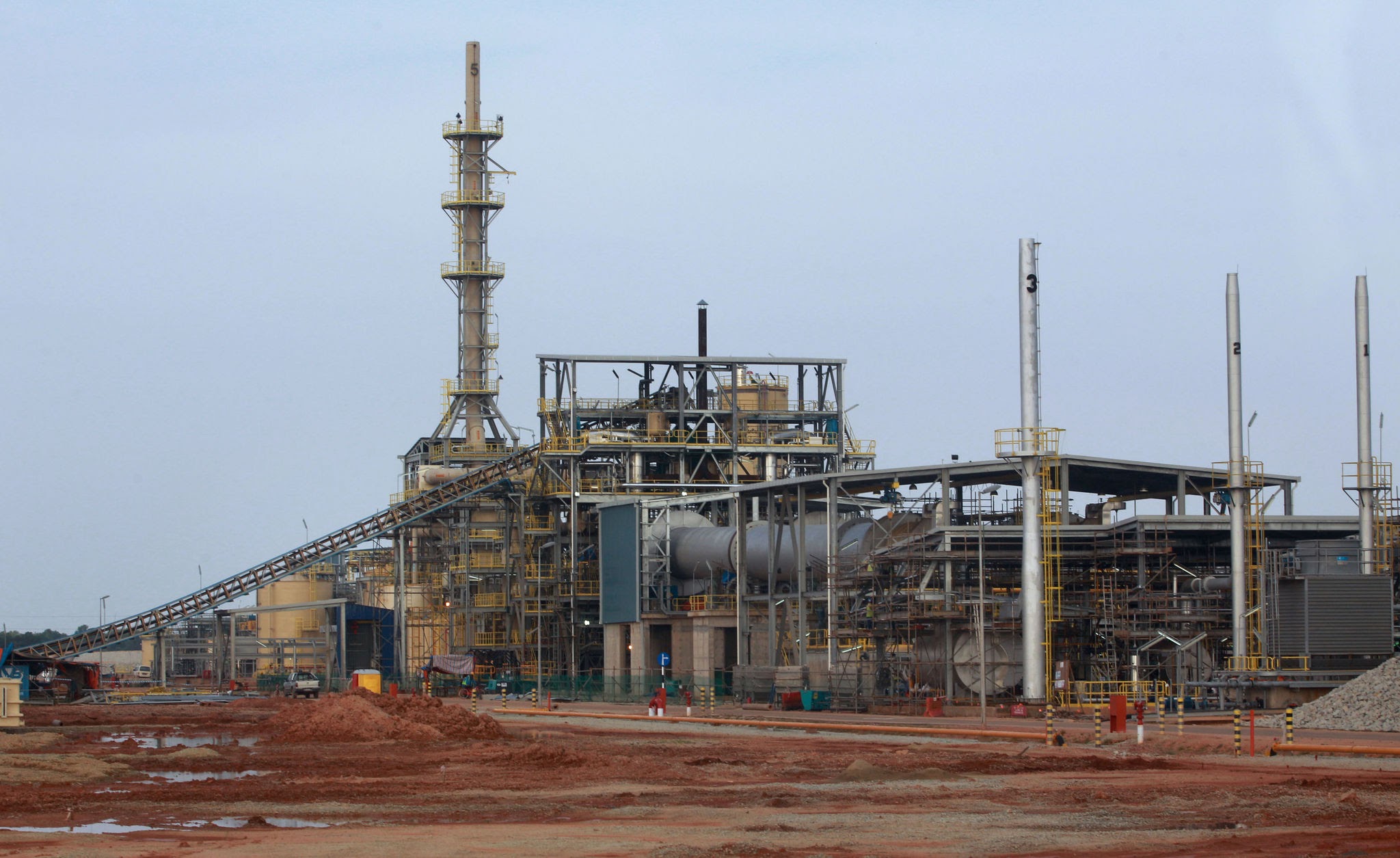
While the immediate, tit-for-tat tariff escalations with Canada have dominated recent headlines, a quieter, arguably more consequential trade war is playing out with China. The battlefield isn’t agricultural goods—it is the rare earth minerals and permanent magnets that power everything from electric vehicles (EVs) to advanced defense systems.
To understand this dynamic, you have to look past the broad “Executive Tariffs” that swept the news in 2025 and focus on a much heavier, stickier mechanism: Section 301 of the Trade Act of 1974.
The Sledgehammer: Section 301 Tariffs
Unlike standard executive tariffs, Section 301 tariffs are deeply structural. They require multi-year planning, they don’t expire with a change in administration, and repealing them generally requires Congressional action.
A massive shift occurred on January 1, 2026, when long-planned Section 301 increases hit a critical component of modern technology: permanent magnets.
For years, certain strategic goods like Samarium Cobalt (SmCo) and NdFeB permanent magnets were exempt from these duties. That exemption ended on New Year’s Day 2026. Today, importing these critical components from China means facing a devastating “stacked” tariff rate.
When you combine the baseline duty, the 20% IEEPA “Fentanyl” tariff, and the new 25% Section 301 add-on, the combined tariff burden for some permanent magnets sits between 37.1% and 47.1%. Because tariffs apply directly to the imported value, U.S. manufacturers are scrambling to redesign products to use fewer magnets simply to mitigate costs.
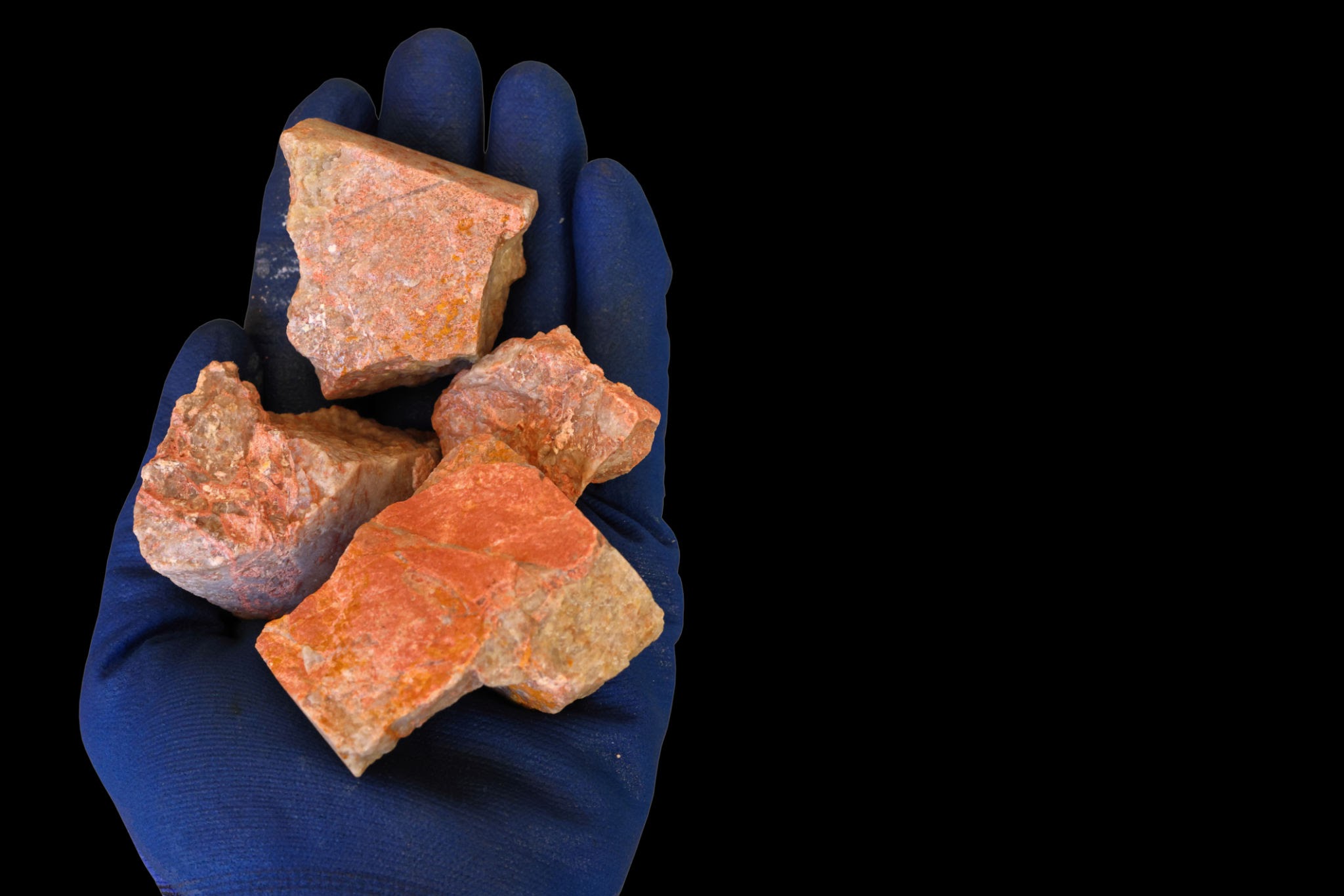
Rare earth element ore
China’s Retaliation: The Mineral Blockade
China hasn’t just responded with reciprocal taxes; they are responding by cutting off the supply chain at the source. As the world’s dominant processor of rare earth minerals, Beijing is wielding its market dominance as a weapon.
In response to U.S. technology restrictions and tariffs, China’s Ministry of Commerce severely tightened export controls. They require strict licenses for the export of critical materials like tungsten, tellurium, and heavy rare earth elements (including dysprosium and lutetium, which are essential for high-heat magnets used in EVs and military tech).
Most alarmingly for global supply chains, these controls have an extraterritorial reach. China has asserted jurisdiction over foreign-produced items if they are manufactured using Chinese-origin rare earth technologies or if they contain Chinese-origin rare earth elements constituting even a fraction of the total value.
The Corporate Casualties
The real-world impact of these policies is already severely damaging major U.S. efforts to build a domestic supply chain.
Just this summer (June 2026), USA Rare Earth, Inc.—a company central to the U.S. strategy of domesticating magnet production—was officially added to China’s export control list. As a result, exporters are barred from transferring critical China-origin items to the company without a nearly impossible-to-obtain Chinese government license.
This restriction has choked off USA Rare Earth’s access to vital raw materials. Despite receiving over $1.3 billion in advances from the U.S. Department of Commerce to build domestic facilities, the company reported massive annual losses and continues to struggle to produce magnets without access to Chinese raw materials and processing equipment.
The strategy from Beijing is clear: If the U.S. is going to tax the finished technology at 40%, China will make it impossible for the U.S. to source the raw materials needed to build it themselves.
Source: Broad monitoring of China’s retaliatory rare-earth export controls (tungsten, tellurium, etc.) via the Trade Compliance Resource Hub